Welcome to Field Notes. This is the first edition of an ongoing series where I share interesting or helpful resources. As we go into December, and winter, we’re going to spend a lot more time indoors and working at closer distances. It’s a perfect time to revisit some dry fire habits as well as work on pistol mechanics. I’m particularly fond of 22 LR use for indoor ranges, and the new Beretta B22 Jaguar looks like a fitting option to consider alongside the standard bearers like my Ruger Mk IV.
On the fitness front, I’m highlighting two things this month. The first is about rucking performance, at least on the surface. A little deeper, though, and it’s about the importance of being fit enough that you retain your cognitive functioning when under severe stress. The second, from Strong First, is about using bodyweight as a a primary strength builder. This is useful while traveling for the holidays. Many people discount the value of pure bodyweight training techniques for strength, but with the proper focus and technique it is a powerful stimulus.
Marksmanship
Swift | Silent | Deadly and Dry Fire
Justin, of Swift | Silent | Deadly, put up a video on YouTube that I found very helpful. He has, for a long time, been my main “guy” when it comes to practical advice about building dry fire and dry practice routines. In fact, he even wrote an article here at The Everyday Marksman about it. Key points are what you’d expect: frequent, high quality, practice sessions (even if shorter duration) are a powerful way to make progres.
Equipment
Lucky Gunner Lounge | Beretta B22 Jaguar Tac Metal Review
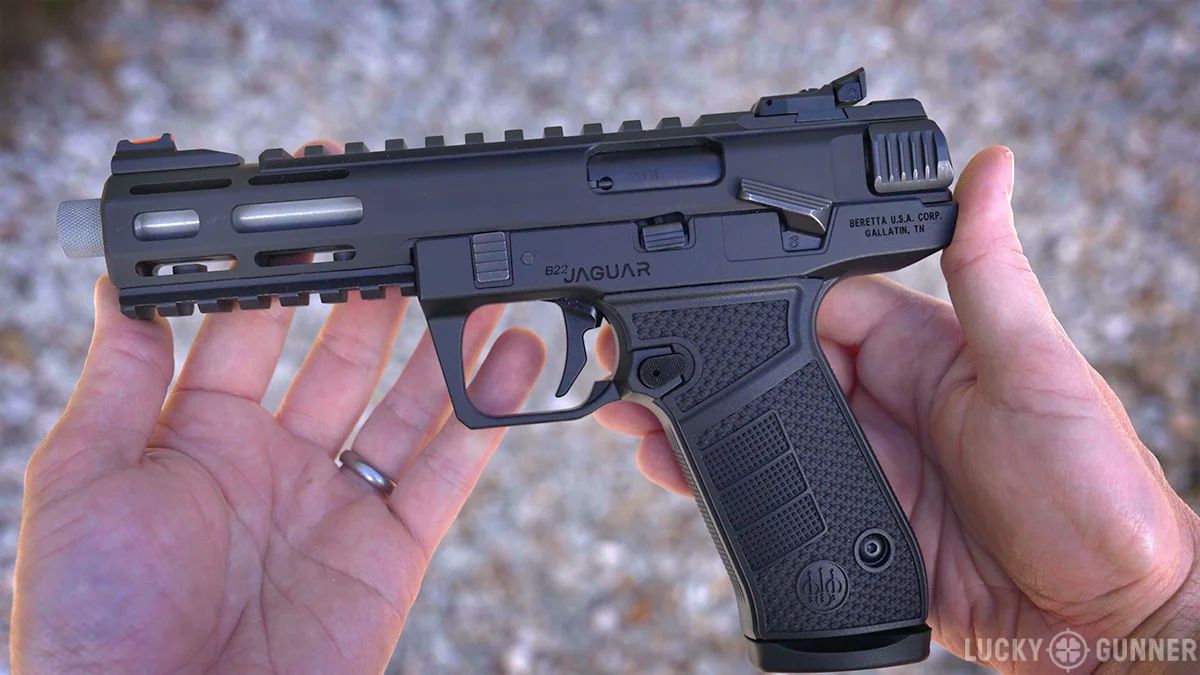
I’ve been interested in these ever since they were announced. They look like a solid competitor to the Mark IV and other .22 pistols common for plinking and competition like the Buckmark or S&W Victory. Lucky Gunner posted their review of the Tac Metal version, which seems built more for backyard plinking and Steel Challenge more than precision shooting.
Physical Capability
Building the Elite | Fitness for SFAS Land Nav
These three rules, while often used as a tongue-in-cheek mantra of life in Special Operations, might be some of the best advice for aspiring operators. But what makes this seemingly jocular maxim so valuable? Always looking cool should be seen in both the outward physical and inward interpersonal senses. Look like you know what you are doing and actually know what you are doing. Never getting lost is a bit obvious. Knowing how to use a lensatic compass is an apparent asset, but so too is having a strong moral compass. And no matter how good you are, you will get lost (in both the physical and metaphysical sense). So, knowing how to get unlost is a critical SOF skill.
Land navigation is one of the major components of US Army SFAS. At the time Dr. Walton wrote this piece, the attrition rate out of SFAS during the land nav portion was nearly 50%, double what it had been just a few years before.
The skill itself is important, but the biggest predictor of success at SFAS is actually rucking performance, as land navigation is just rucking with a compass. The ruck for this portion of SFAS weighs about 70 lbs, and candidates are putting 12 to 20 miles per day on their feet over varied terrain. The goal, as the author puts it, is not just the physical challenge but the mental challenge of forcing you to make decisions while under load, exhausted, and trying to keep track of many things at once.
The first, and most important step, is getting fit. Faster than the strongest lifter, stronger than the fastest runner. In particular, when training for the real world thing, get fit with a ruck and train without distractions like headphones or music to take your mind off the suck. Be engaged in what you’re doing. Secondly, work on those required skills (like land nav) to the point that they are automatic and don’t drain your cognitive resources.
Strong First | Bodyweight Strength

Pavel Macek wrote up The Bodyweight Strength Checklist, a short treatise on the value of bodyweight-only training and commo pitfalls. Staying on trend from Justin’s statement above concerning mindful practice, Pavel says the same thing.
Bodyweight strength training is a mindfulness practice. There is no external tool—a kettlebell, dumbbell, or barbell—to occupy your attention. You get to pay attention to yourself, and the details matter. We use bodyweight skills as a platform for learning general strength skills—and we use no tool as our main tool.
He also points out the problem of automatically taking bodyweight exercises to high rep failure rather than strength-focused progression with more difficult variations.
Field Skills
AAA | Vehicle Winter Checklist
Winter is upon us. If you haven’t taken the time to prepare your vehicle for the season, now is a good time. When I was stationed in Montana, I was required to keep a “winter bag” in my vehicle at all times. It had helpful items in it not just for the car, but also keeping me alive should I find myself stuck in a snowbank on the side of a remote highway. Now it’s a habit that stuck, and a practice I maintain today. Start with this checklist from AAA for winter prep.
