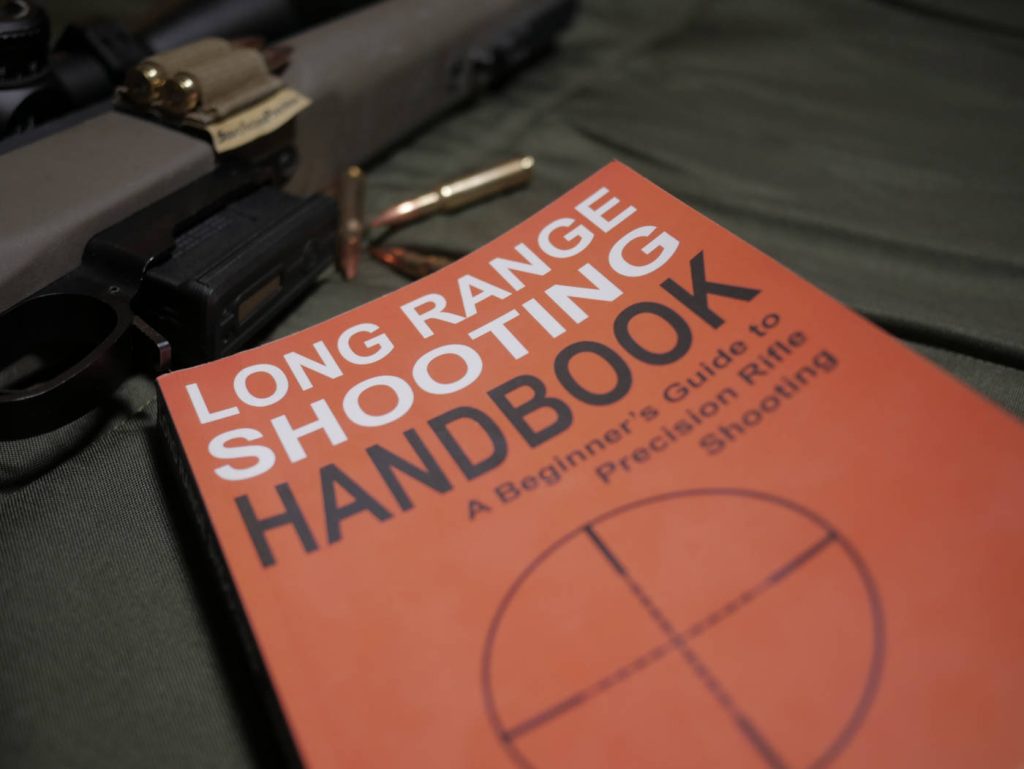
This one has been a while in the works. My friend Justin from over at Swift Silent Deadly released his new book, and today I want to tell you about it. Just in was kind enough to provide me an early copy of it so I could go through it and provide feedback. The book is available today, and I think it’s absolutely one you’d want to keep in your reference library as a holistic overview on the topic of individual preparedness.
Bottom Line Up Front
It feels like many years ago that Justin shared his interest in the trope of the “competent man.” The idea is a single individual who is so skilled and knowledgeable across a wide variety of domains that there is no situation he couldn’t get out of with the upper hand. Justin’s favorite example is James Bond, and he often references it throughout the book with asides like, “What would James Bond do?”
I could just as easily insert any number of other characters, such as my childhood favorite: Macgyver.
As you’ll see in the details down below, Justin breaks this up into five major categories of skills, tools, and knowledge. Each of these has sub bullets that cover the gamut.
If there was one word I could use to describe what Justin has accomplished in his 400+ page magnum opus, it’s “Comprehensive.” There are few stones left untouched here, and the advice is imminently practical and easy to understand. The overlaps between Justin’s philosophy and mine are plainly obvious to readers of both of our content over the years, and as such I might have a little positive bias going on.
This is the kind of book you buy for your 22 year old self and say, “This is your textbook for living a better and more competent life. Take it to heart.” As such, I can easily say this book deserves a place in your tactical library.
Breaking it Down
To cover the basics, let’s look at the chapter breakdown of what Justin includes in his book.
- Prepare Your Body & Mind
- Develop a System of Every Day Carry (EDC)
- Develop Financial Stability
- Mobility
- First Aid
- Digital Security
- Dress Well & Look Sharp
- All-Hazards Preparedness
- Physical Security
- Wilderness Survival
- People Ops
- Firearms
At a glance, you might think this looks like some sort of Boy Scout manual for grown men. That’s probably intentional, as Justin himself admits that he was inspired by his collection of vintage scouting manuals going back to Robert Baden-Powell, but updated for the modern era and adult topics.
I think it’s notable that for a bunch of gun guys, that the actual topic of firearms comes in the final chapter. I think this represents the ground truth that all of the other skills have far more direct impact on the success of your day to day life and during emergencies than weaponry.
The astute reader that you are, you probably noticed that there are 12 chapters and I said there are five major categories. That’s because I group things together:
- Preparing the mind and body
- Every Day Carry
- Core Skills & Life Stability
- Security & Preparation
- Social & Style
In all, Justin explains that acquiring all of these skills and knowledge encompassed decades of his life including not only study, but life in Marine Corps special operations, a professional instructor, contractor, paramedic, and law enforcement. So with that, let’s take a little preview over each of these main five categories and discuss what you’ll learn.
Preparing the Mind and Body
As if echoing my own thoughts on the importance of the topic, this part of the book comes up front. A lot of the advice here is things that should come as no surprise, and he doesn’t pull punches. For example, for nutritional guidance, Justin calls it the ELAFA Diet- which stands for Eat Like a F***ing Adult. He still goes into detail about what this means and how to implement it, but it is very commonsense stuff.
If there was one theme I particularly appreciated in this area, and one that I repeat myself, is that there is value in doing hard things. Justin puts a lot of emphasis on the idea of voluntary hardship. The act of choosing to do something difficult makes you more resilient to future stress. What you choose to do is a little less important. It could be a periodic fast, a cold shower, an obstacle course race. Whatever.
He also ties physical fitness into this. Fitness is important in it’s own right, but it’s also a key contributor towards building mental resiliency.
Core Skills & Life Stability
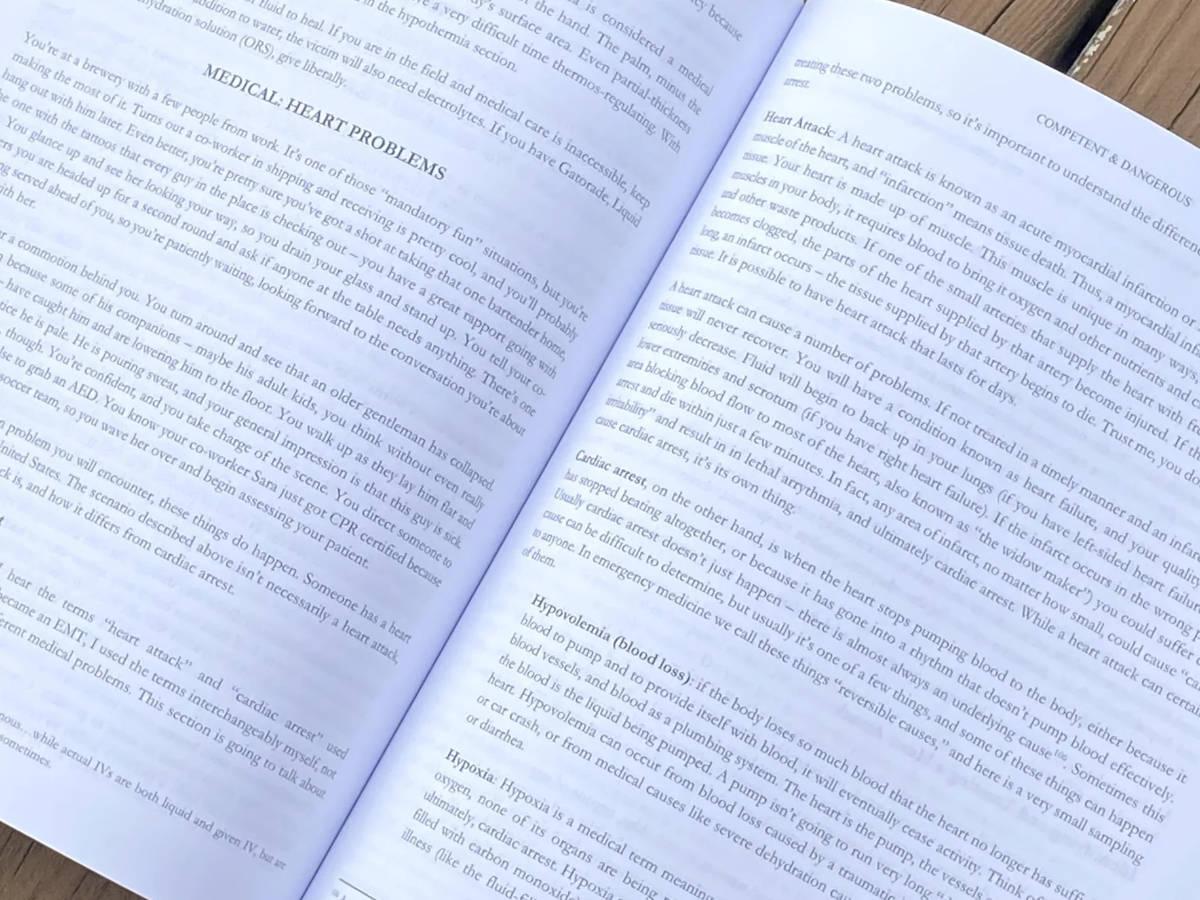
Under this heading, Justin digs in to some areas that have carryover to supporting the rest of your life. Things like first aid, vehicular mobility (and skills), as well as managing your finances.
Again, much if this (especially the financial advice) seems like it is commonsense stuff- yet so many people in our niche of the internet get it wrong. Justin is clear about his intentions here: if your goal is long term personal stability and resilience in the face of hardship, then you need to have a solid grasp on your finances. That means avoiding debt, using a budget, saving appropriately, and managing lifestyle creep.
Under mobility, he goes through several automotive life skills and basic inspection or maintenance tasks. There’s sections about vehicle recovery, emergency equipment, and tools.
With first aid skills, Justin goes down the list with tools for assessing and treating all manner of physical injuries and problems including hypothermia, trauma, and shock. This is, again, like the old Boy Scout manuals but amped up with far more detail and information.
I particularly liked the details of building out first aid kits for keeping on person, in vehicles, and at home- each one getting more comprehensive than the last.
Every Day Carry (EDC)
As you can imagine, this topic is big. Just in is first and foremost a believer in keeping things realistic. We’ve all seen the pocket dumps of people in “EDC Forums” that look like they’re carrying around a hardware store in their pockets. In this case, the suggestions are much more grounded.
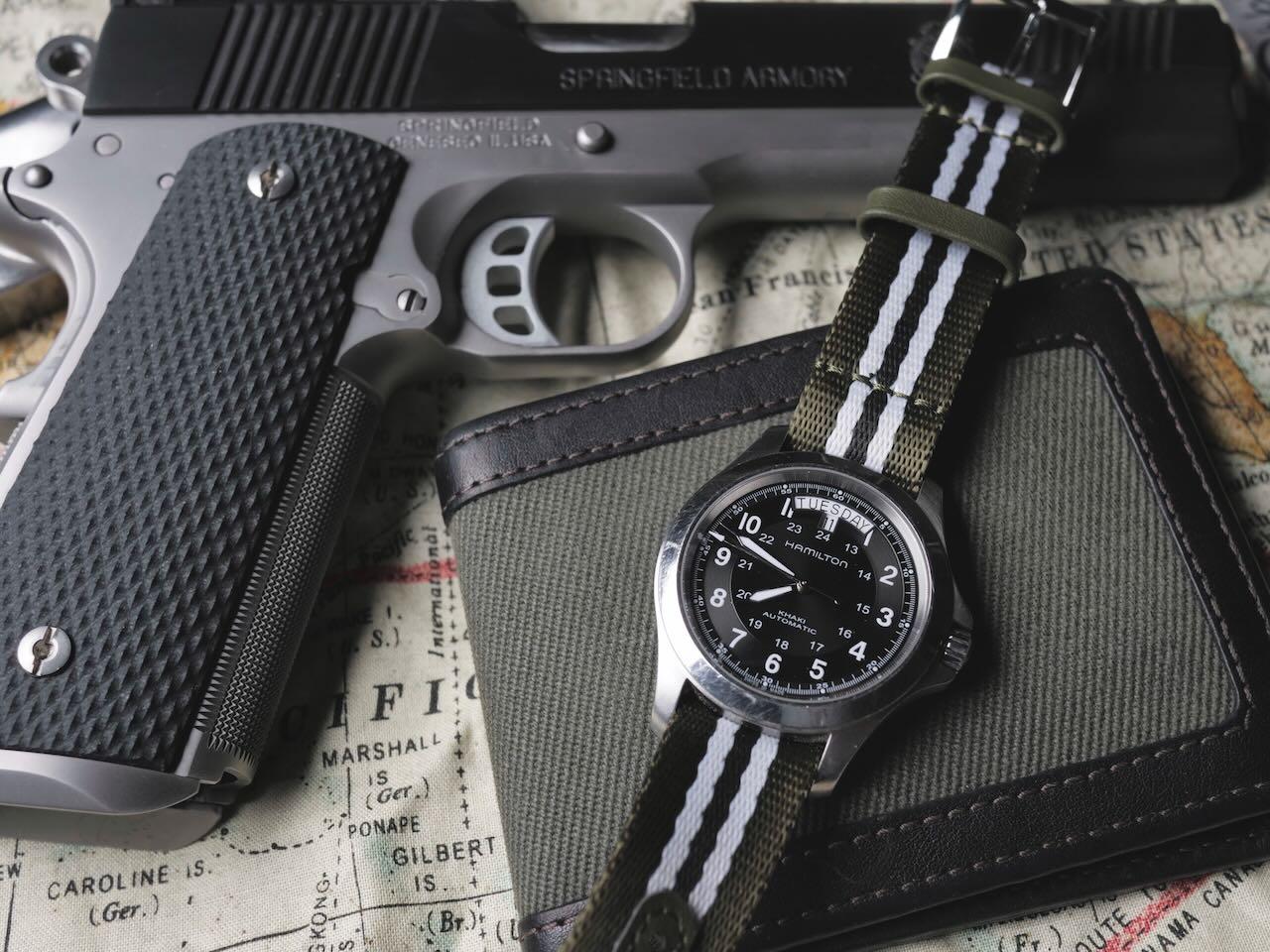
- Watch
- Folding knife
- Wallet (with essentials like ID, contact information, cash, cards, etc. as well as specialied items like band-aids, a watch spring bar, a flat fresnel lens, and lock picks)
- Flashlight
- Keys
- A first aid triangular bandage (rather than a tourniquet)
- Pepper spray
That’s the list, and it’s a system that works together. Justin spends a lot of time on each of these items detailing what to look for and considerations for making a choice.
Social & Style
This heading has a lot under it, as well. Things like how to dress well, the importance of eye contact and shaking hands, and how to give a good toast at an event. It’s about the skill of managing social relationships and people. If you’ve never had to host a dinner party, thats here as well along with some easy crowd-pleaser recipes.
I particularly enjoyed the whole appendix dedicated to Bourbon and how to make an Old Fashioned.
The overarching theme of the social topics is building and sustaining positive relationships with other people so that they are assets to you (and you to them). The first rule of a gunfight is to have a gun- but the second rule is to bring your friends with guns. You can only do that if you actually have friends.
Cheekiness aside, this is also an element of gaining respect and favor of others.
Security & Preparation
These topics cover everything from managing your digital footprint, physical security of you and your environment, general emergency preparation, and firearms.
These are the areas I’m most familiar with Justin’s work already, and he’s a great authority to listen to. As is the theme, all of the advice is grounded, well-researched, and to the point.
Building the Library
So there you have my overview of Justin’s book. It’s available today on Amazon, and I know he’s working on a few other avenues to sell it for people who aren’t comfortable with Amazon. When you combine Justin’s own writing along with his copious citations and suggested reading for every topic he mentions, this may very well be one of the foundational books for any personal library.
A definite buy, in my opinion.