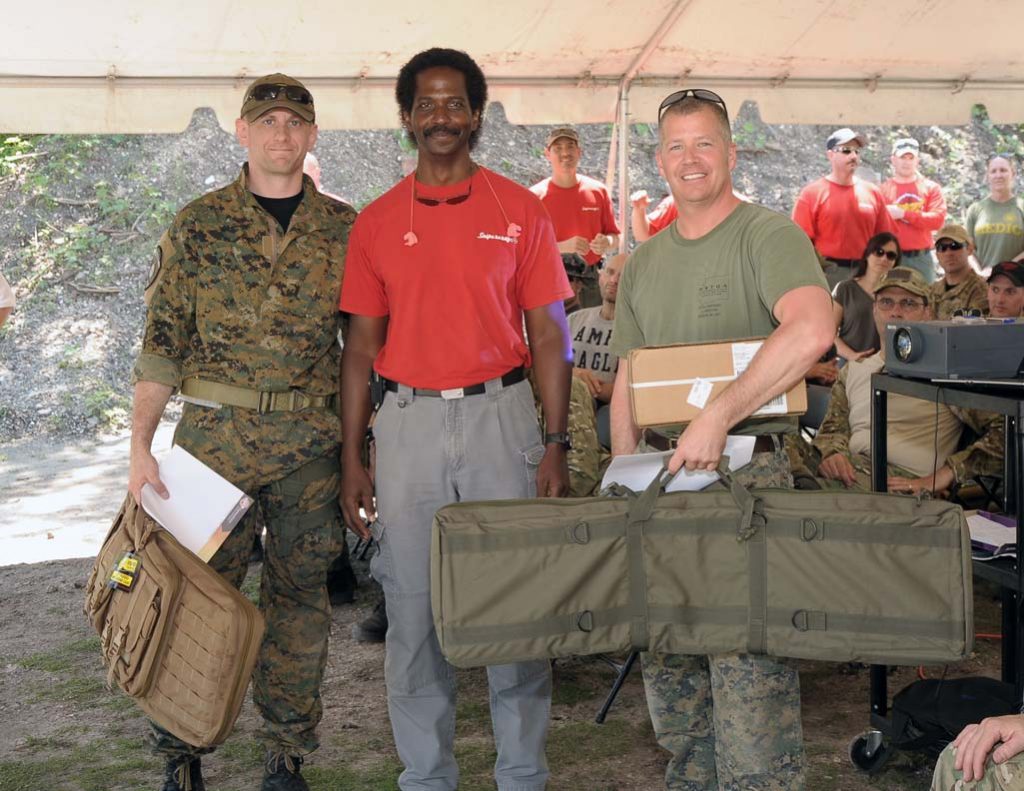
In this episode of Everyday Marksman Radio, I interview Derrick Bartlett. He has an incredible history with law enforcement sniping and now serves as the director of Snipercraft and President of the American Sniper Association.
This is just a short snippet from his biography at the National Law Enforcement Firearms Instructors Association:
Derrick Bartlett is a twenty-eight year veteran of law enforcement. In Illinois, he spent eight years on SWAT, both as an entry operator and sniper. As a member of the Fort Lauderdale Police Department, he served as a SWAT/Sniper for over sixteen years, and was responsible for sniper team training. Over twenty years in special operations have provided him with unique opportunities to travel, work and train with a number of elite tactical units and renowned instructors.
Derrick is a state-certified instructor in firearms and SWAT-related fields. As Director of Snipercraft, Inc., he has provided instruction for snipers and supervisors for nearly one thousand law enforcement agencies, throughout the United States and Canada. In addition to numerous magazine articles, he is the author of the books, Snipercraft: The Art of the Police Sniper, Riding the Recoil and Staring at the Crosshairs, and is a contributing author to the training manual, Police Sniper Training and Operations. He is also the President of the American Sniper Association, and serves on the advisory boards of several other tactical organizations. He is the editor of SNIPER, which is Snipercraft’s quarterly newsletter, and has written articles for all 89 issues to date. He is an original member of the Editorial Review Board of Tactical Response Magazine.
Links Related to this Episode
- Snipercraft
- American Sniper Association
- Interview with John Simpson
- Interview with Russ Miller
- The Marksman’s Path
Key Takeaways
We cover a lot of ground in this episode, with almost all of it focusing on the selection and training of law enforcement snipers. It’s all very interesting, but not everything applies to someone like me who is not in law enforcement.
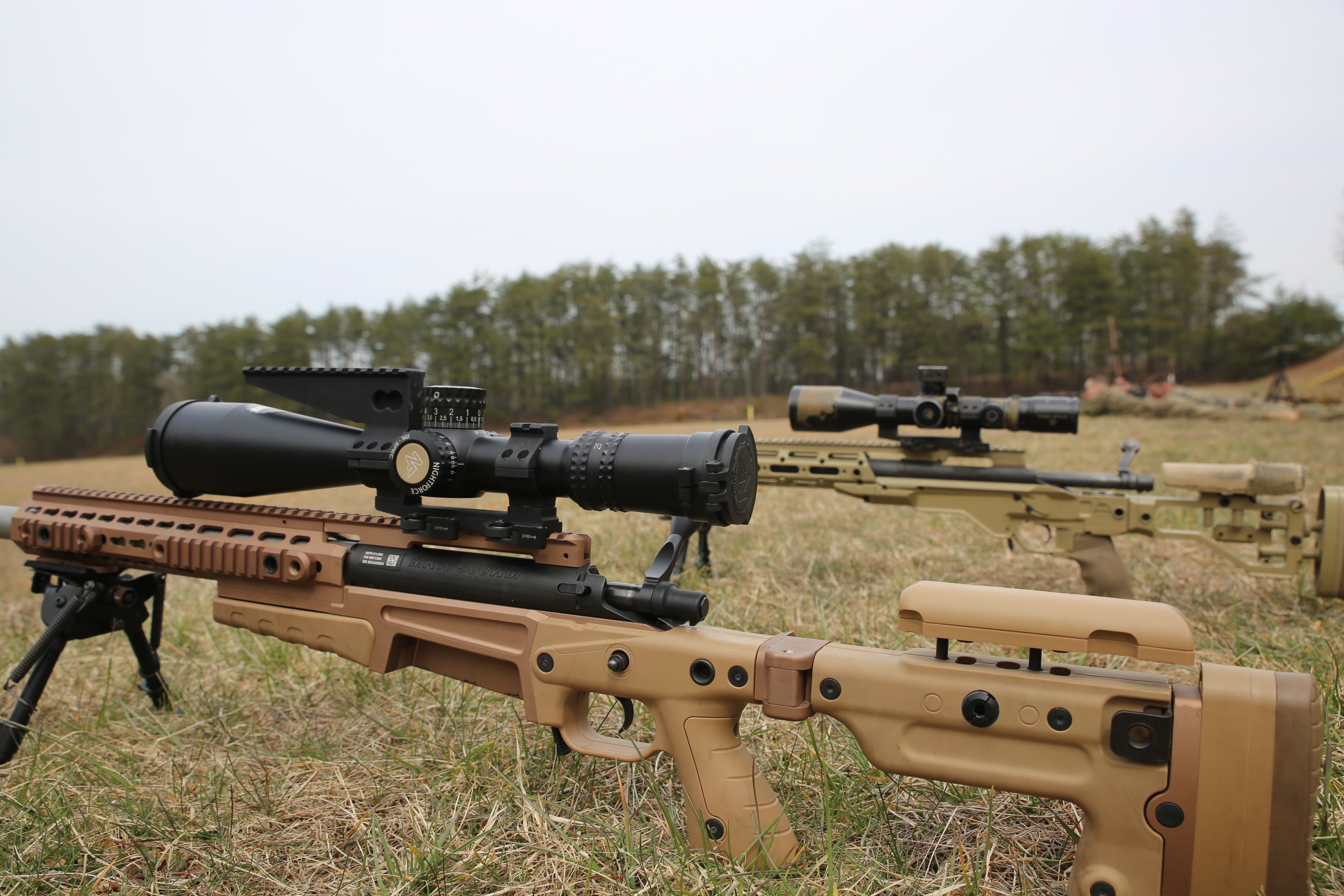
But that doesn’t mean there aren’t some key lessons to learn from Derrick. The first of which is that you need to know the mission you’re trying to accomplish and then focus on it. He uses the example of many departments that invest in equipment or ammunition that is inappropriate to the mission in front of them. For example, there’s a lot of influence from the military and competition world to buy gear suited to 500-1000 yard engagements, but there isn’t a law enforcement agency in the country that will approve of taking a shot at those distances.
In fact, nearly all law enforcement sniper engagements happen at less than 100 yards, and definitely less than 200. That means commonly accepted long-range choices do not apply. 6.5 Creedmoor vs .308 is a good example, with Derrick saying that the .308 is a fantastic law enforcement sniper round.
He also cautions against using match bullets for tactical situations. At these shorter distances, precision is nice but having an immediate effect on the target is more important.
Another key takeaway for me is the discussion on ancillary skills. A lot of people focus only on the shooting side of things while neglecting the other skills. This speaks to the mission of The Everyday Marksman, where it’s not just about guns and gear, but the totality of your abilities across a variety of areas.